

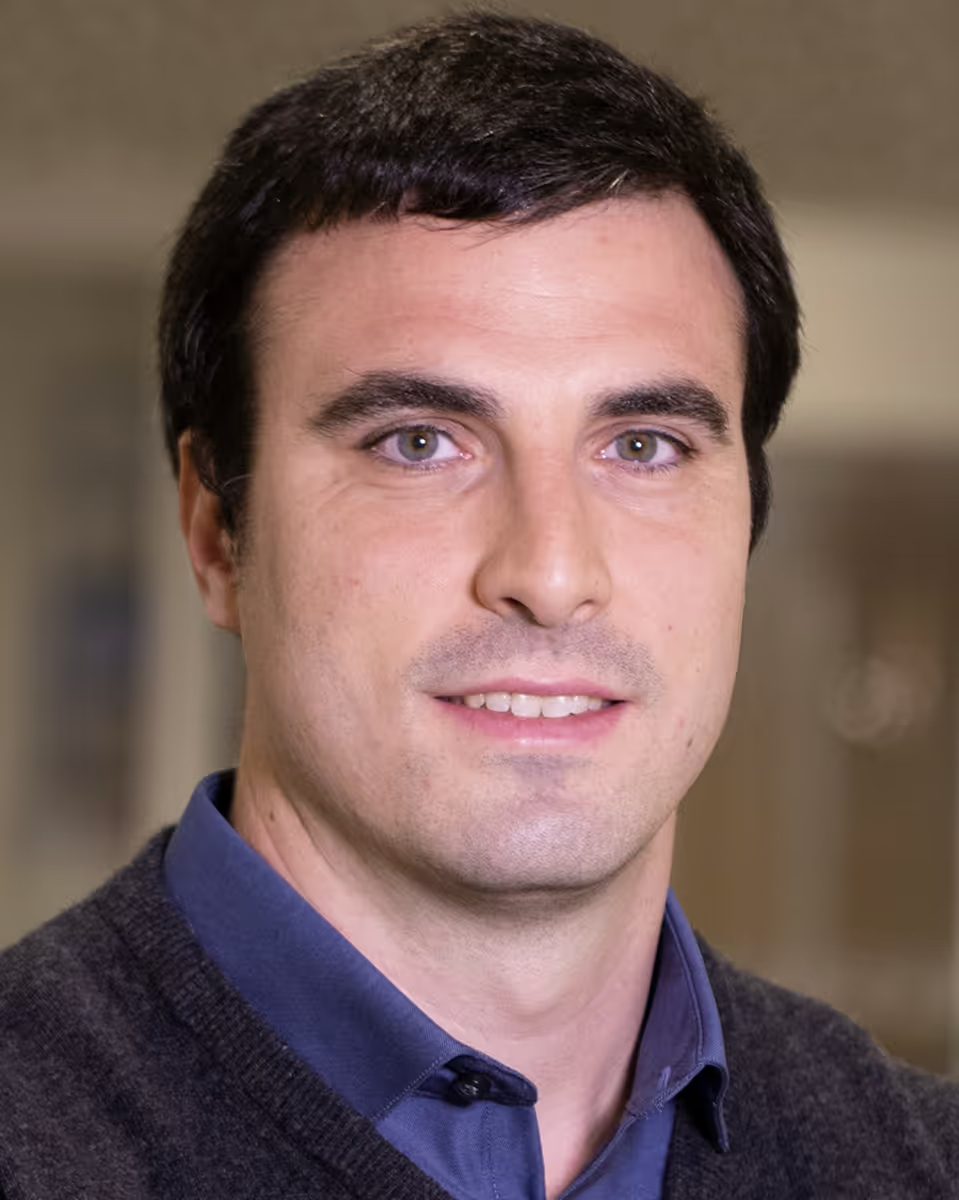
Alejandro Merlo is a philosopher working on Earth system science and Gaia theory in the context of current debates on the climate crisis, human agency and systemic change. Applying concepts from non-equilibrium thermodynamics, theories of biological organisation, autonomy, he aims to clarify what are the conditions and implications of concepts of "planetary health" for human agency and social transformation.
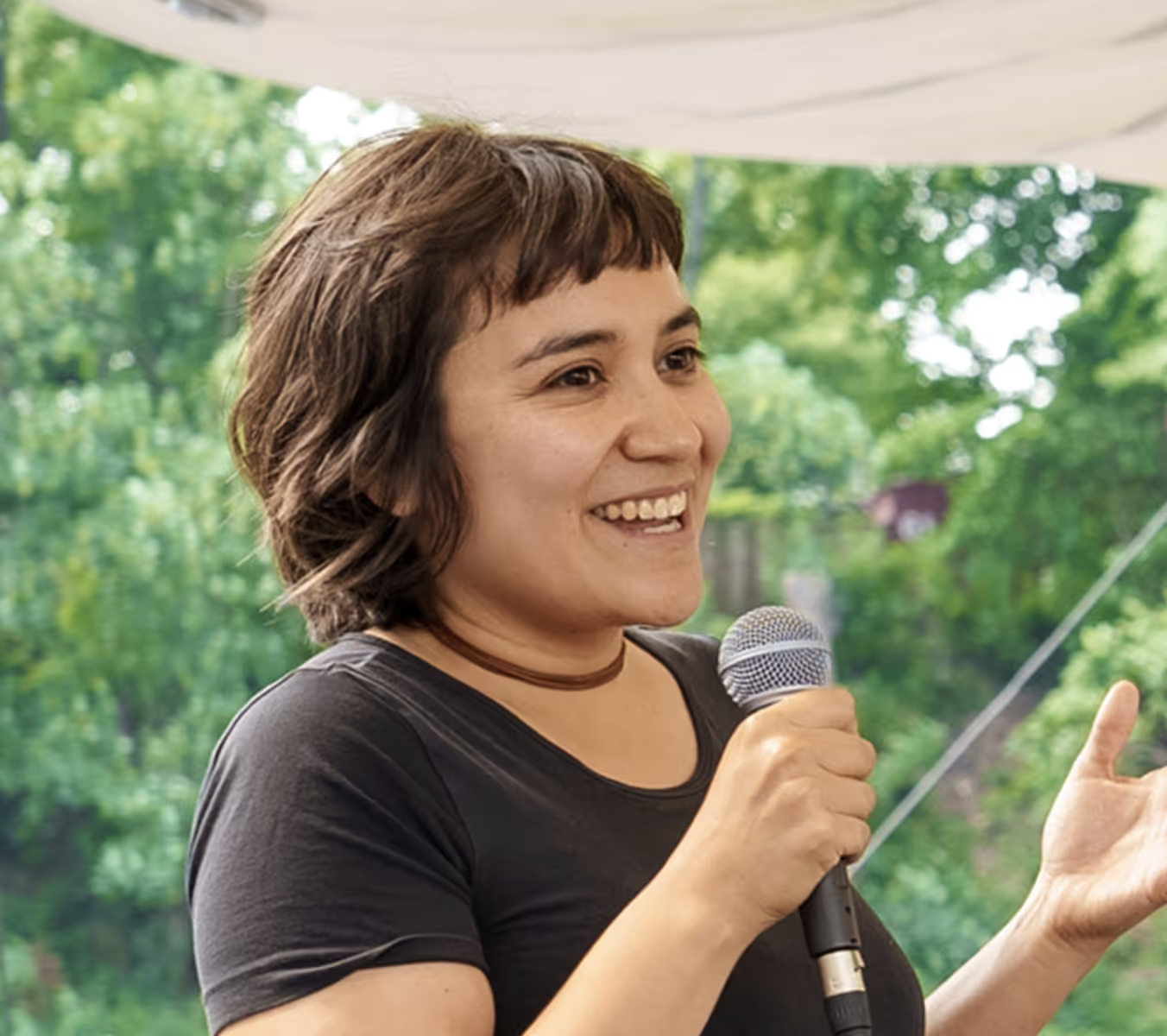
Anja Wegner is a member of the Behavioural Evolution Lab at MPI of Animal Behaviour. Her work at the nexus of ecology, art, and architecture aims to establish a practice of co-designing with marine fish in collaboration with artists including SUPERFLEX, Tabita Rezaire, and Olaniyi Studio
Arlindo Martins is a teacher and engineer specialized in electrical and electronic engineering, with extensive experience in technological education. Based at the
Secondary School of Loulé, he teaches robotics, electronics and applied technologies, and develops innovation solutions at Tech9+. His recent works and training activities focus on AI, digital fabrication and creative technologies in education and in interdisciplinary contexts.
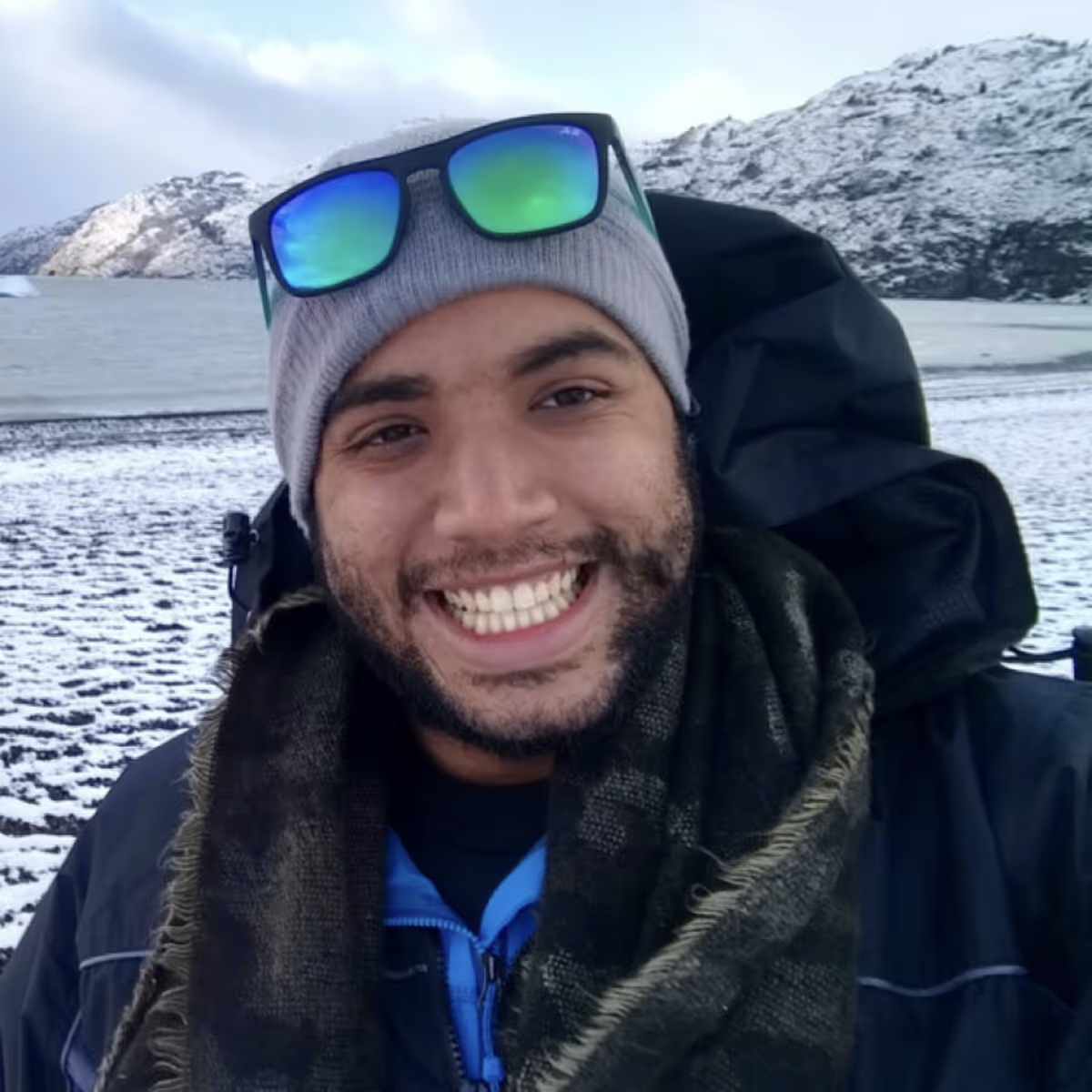
Caio Ribeiro is a chemical oceanographer and ecotoxicologist focused on biogeochemical cycles, deep-sea ecosystems, and the environmental impacts of emerging pollutants and deep-sea mining. His work integrates field expeditions, experimental toxicology, and high-resolution chemical analyses to understand how anthropogenic stressors affect marine biodiversity and ecosystem functioning.
%201.jpg)
Cristiano Pedroso-Roussado holds a PhD in microbiology from the University of Brighton (UK) and is a postdoctoral researcher at the Institute of Interactive Technologies from Instituto Superior Técnico (U. Lisboa). His interdisciplinary work focuses on inclusive design for human and non-human well-being. He collaborated with the Bauhaus of the Seas Sails project, bridging biology and art for oceanic environmental solutions, and the TIDAL ArtS project, uniting nature with culture. Recently, he worked with Thyssen-Bornemisza Art Contemporary (TBA21) and Sintra non-profits, questioning non-human rights, ecological technologies, and decolonial design in rural and peri-urban areas.
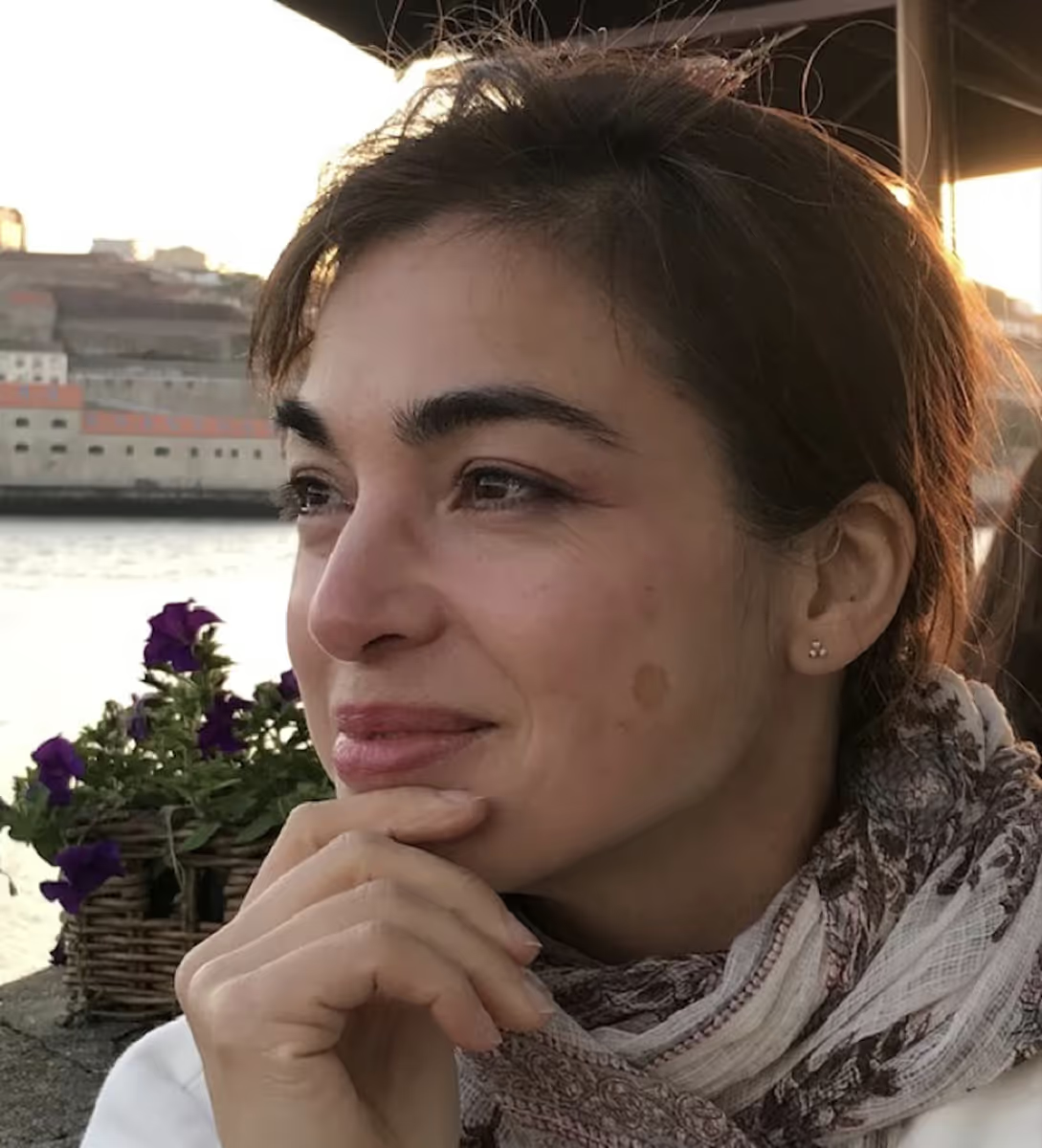
Graduated in political studies, I have worked for 25 years with various public institutions to encourage culture, education and science cooperation accross borders. Now at Ifremer, the French national research institute for marine science and technologies, I am embracing the narratives of ocean protection and the needs to strengthen capacities at state and global level for a sustainable ocean governance.
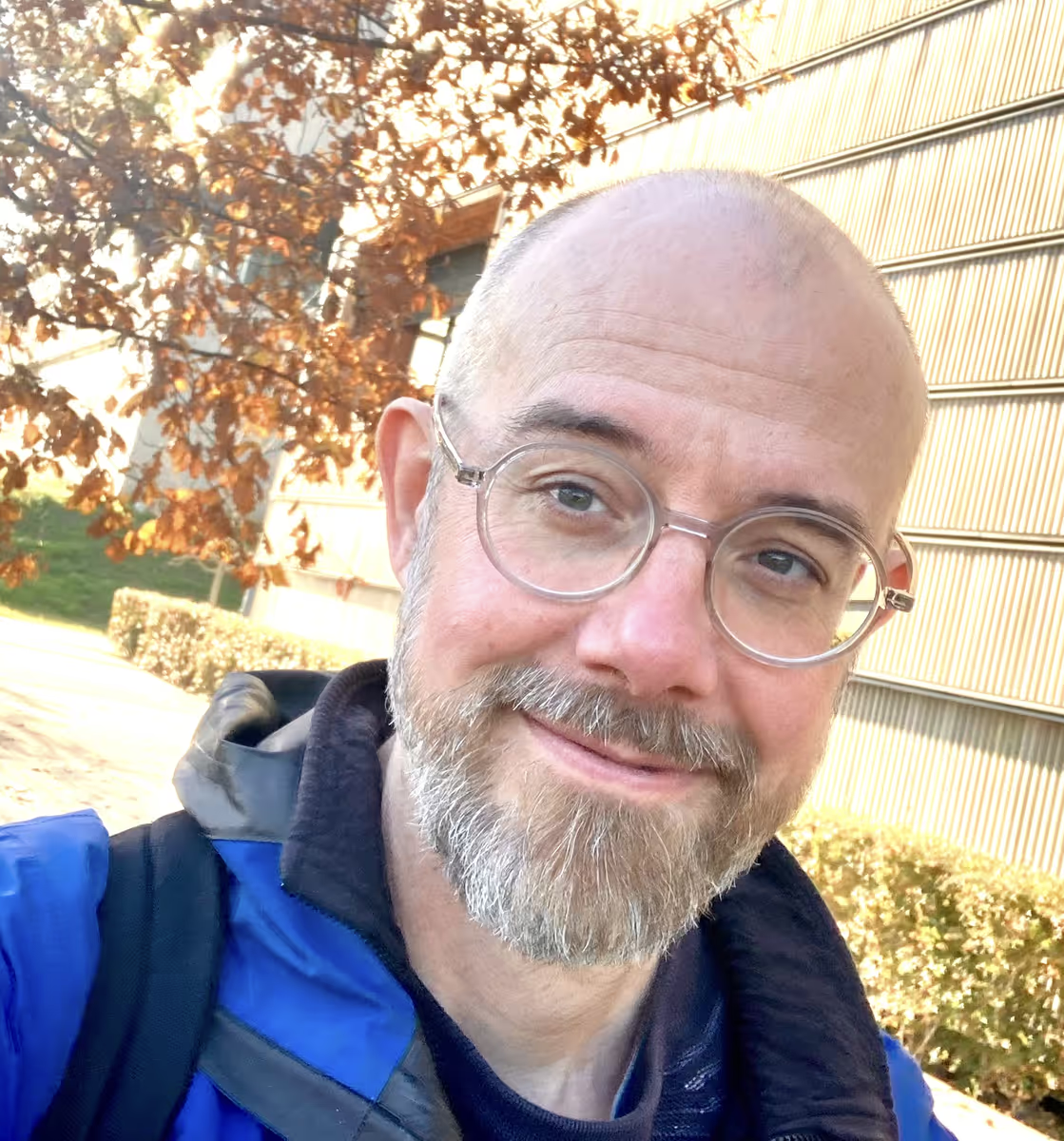
Eric Galbraith was trained as a climate scientist and biogeochemist, and worked previously at Princeton and McGill Universities before joining ICREA in Barcelona. His work on Earth System Economics aims to bring the global human system into a quantitative, holistic framework that is deeply integrated with natural science approaches.

Giovanni Aloisi is an isotope geochemist at the Institut de Physique du Globe de Paris where he carries out research on the carbon and sulfur geochemical cycles and the evolution of the Earth System on geological time scales. He is recently involved in the development of isotope metallomics: the use of stable isotopes to detect and understand human diseases. These two fields are bridged by developing analogies between the ocean and the human body, with the aim of communicating ocean change to lay audiences.
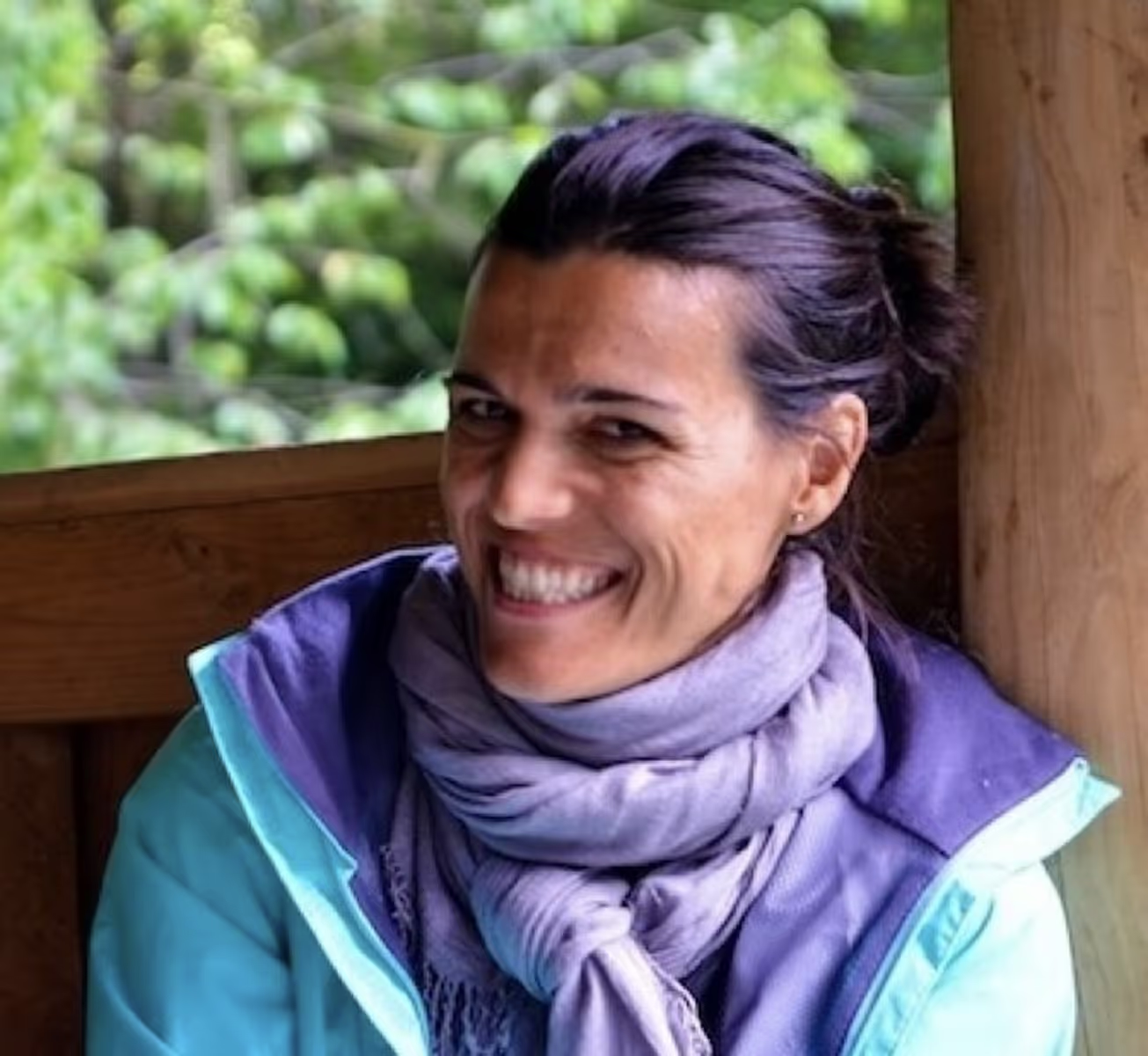
Irene Olivé, PhD in Marine Sciences, is a researcher at SZN Naples (Italy). Her research targets the ecology of coastal systems dominated by communities of benthic primary producers. She studies the effects of environmental drivers, human activity and climate change on the metabolism of aquatic macrophytes, and their implications for the functioning of associated benthic communities, the provision of ecosystem services, and the carbon cycle.
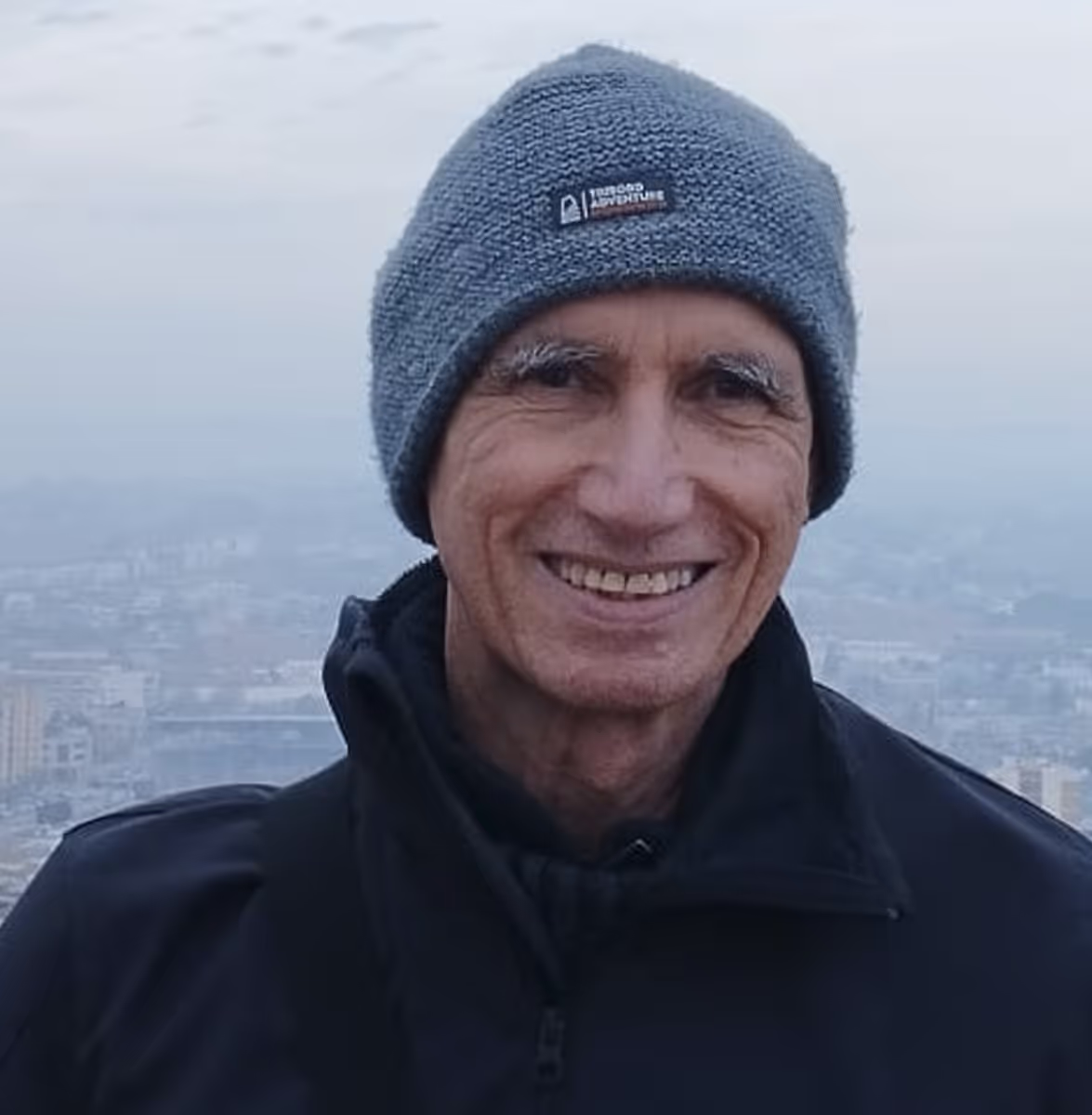
Oceanographer, specialized in ocean circulation, biogeochemical processes and climate change. With a holistic planetary vision, he is deeply committed to citizen engagement & mobilisation towards harmony with nature. Researcher at the Institut de Ciències de Mar (ICM) in Barcelona, has supervised 21 PhD and published over 130 SCI articles. Former Dean of the School of Marine Sciences at the Universidad de Las Palmas, Spanish National Coordinator for Earth Sciences and ICM Director.
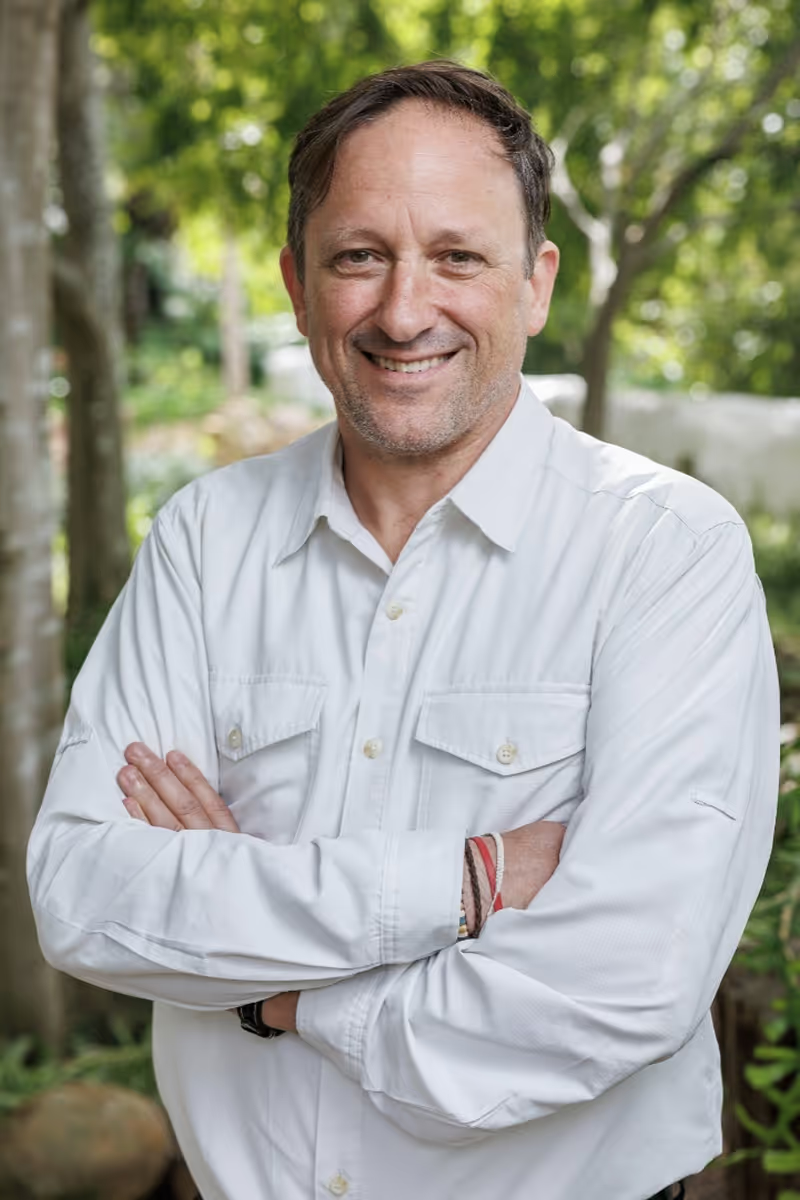
Physicist who has devoted most of his research career to study the epistemological foundations of biology, focusing on the problem of origins of life and its inherent complexity. My main scientific contributions have been in the elaboration of protocell models, both in vitro and in silico. This has reinforced a theoretical perspective according to which phase heterogeneity, molecular diversity, and the functional coupling among various kinds of physical and chemical processes are essential to understand the emergence and nature of biological phenomena, in its minimal and most fundamental sense.
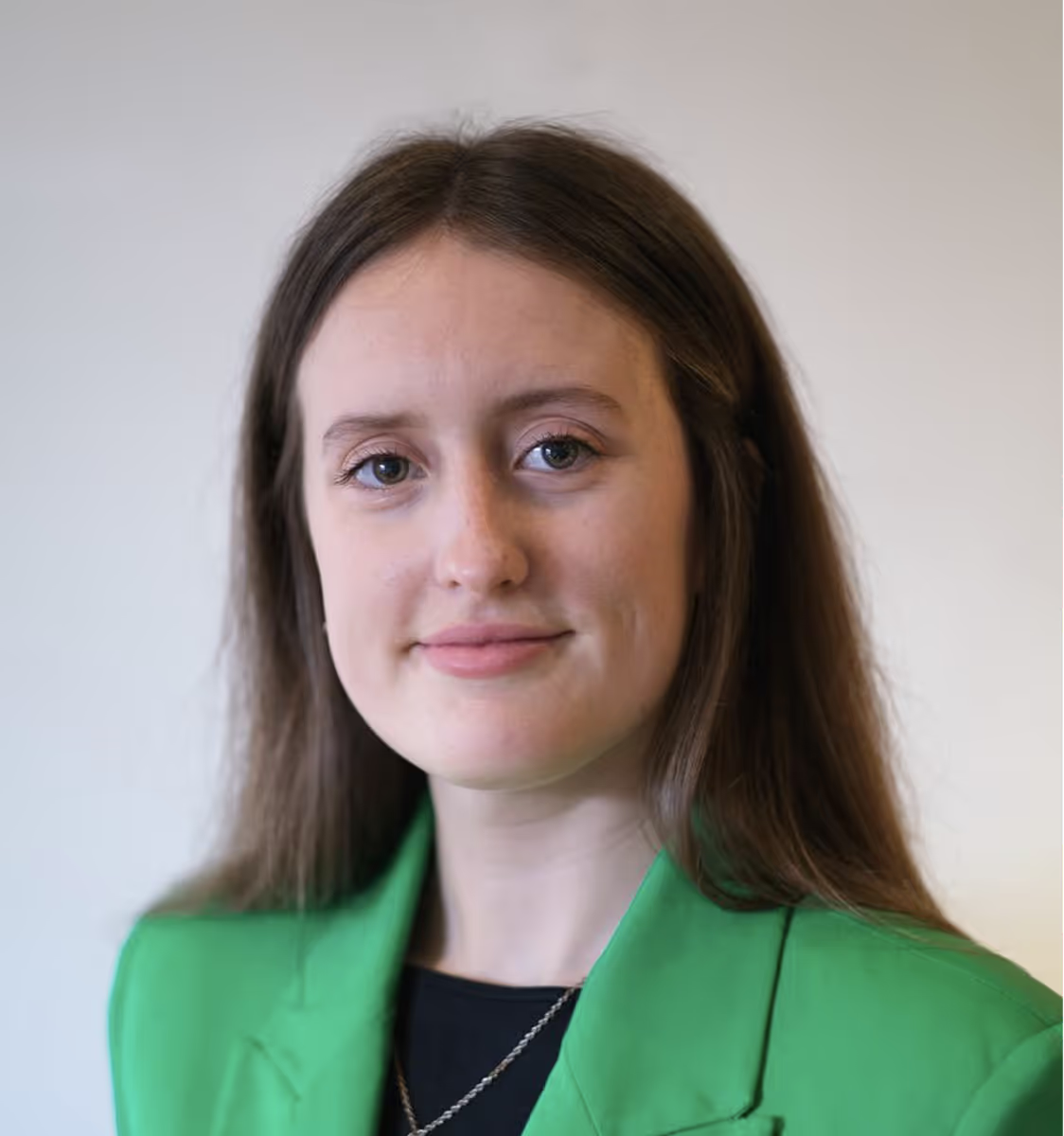
Lucy Ward is an Earth law advocate based in London. She trained as a marine biologist and leads the Earth Law Center’s Ocean Program, creating ‘earth law for the oceans’. Lucy works to develop innovative solutions to allow the flow of wisdom into legal advancements that recognise Nature's voice and inherent rights
Laura Secorun an environmental communication strategist and founder of Meridian, a communication agency dedicated exclusively to ocean conservation. Secorun spent the first decade of her career working as a foreign correspondent in East Africa and the Middle East for outlets like The New York Times, The Guardian and Newsweek.After witnessing the humanitarian consequences of climate inaction, she realised the urgent need for more ambitious and effective environmental storytelling. Now she helps ocean advocates around the globe - from scientific researchers to non-profit leaders - craft communication campaigns that drive positive change for our seas.
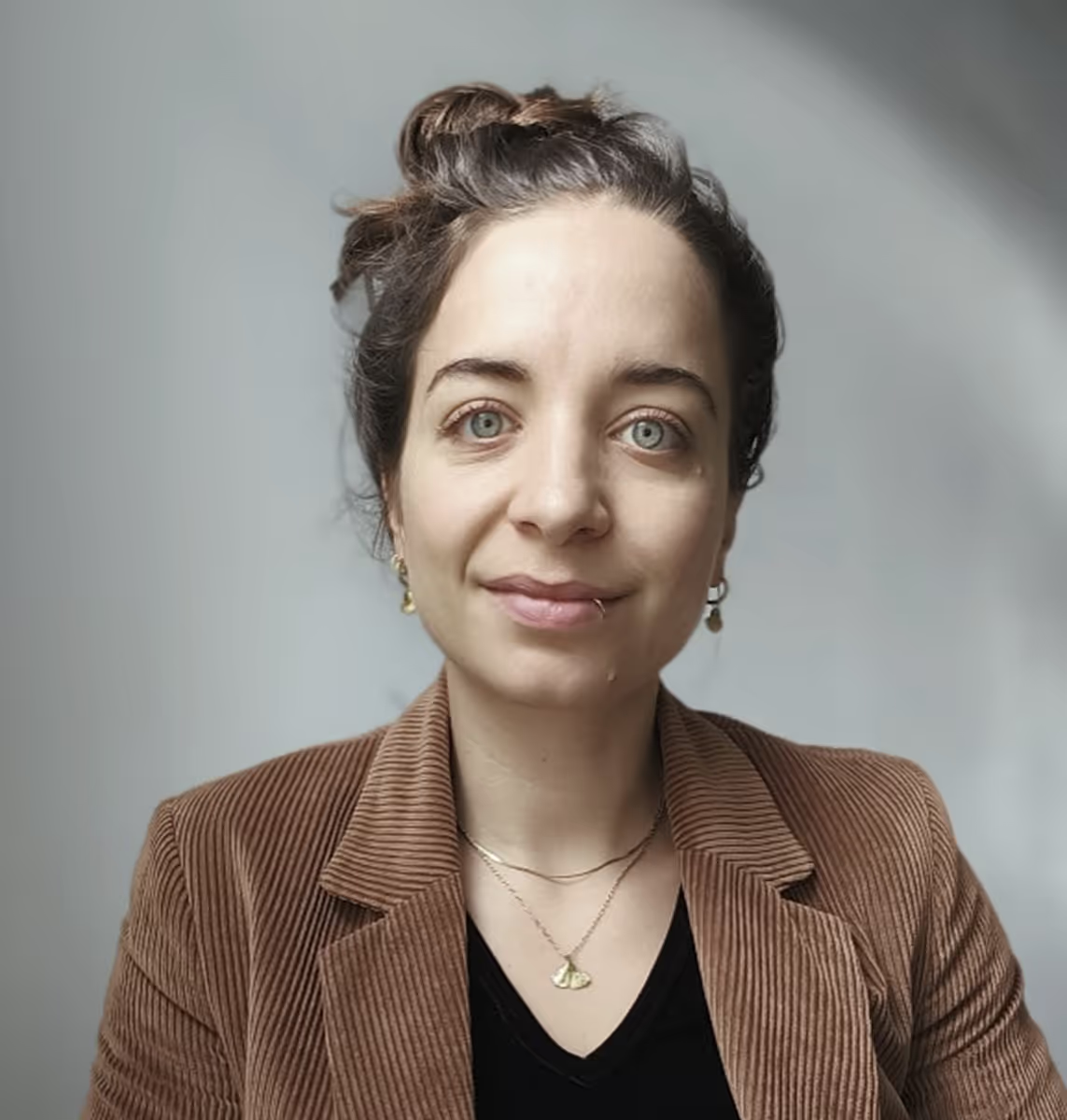
Nane Pelke is a researcher at the Leibniz-Universität Hannover. Trained as an environmental sociologist, she has focused on socio-ecological transformation processes with a strong emphasis on the sociological study of science. Her main interests are: i) the sociological study of (marine) science, ii) marine social sciences (socio-marine transformation cases; MPAs; biodiversity), iii) and inter- and transdisciplinary knowledge production processes.
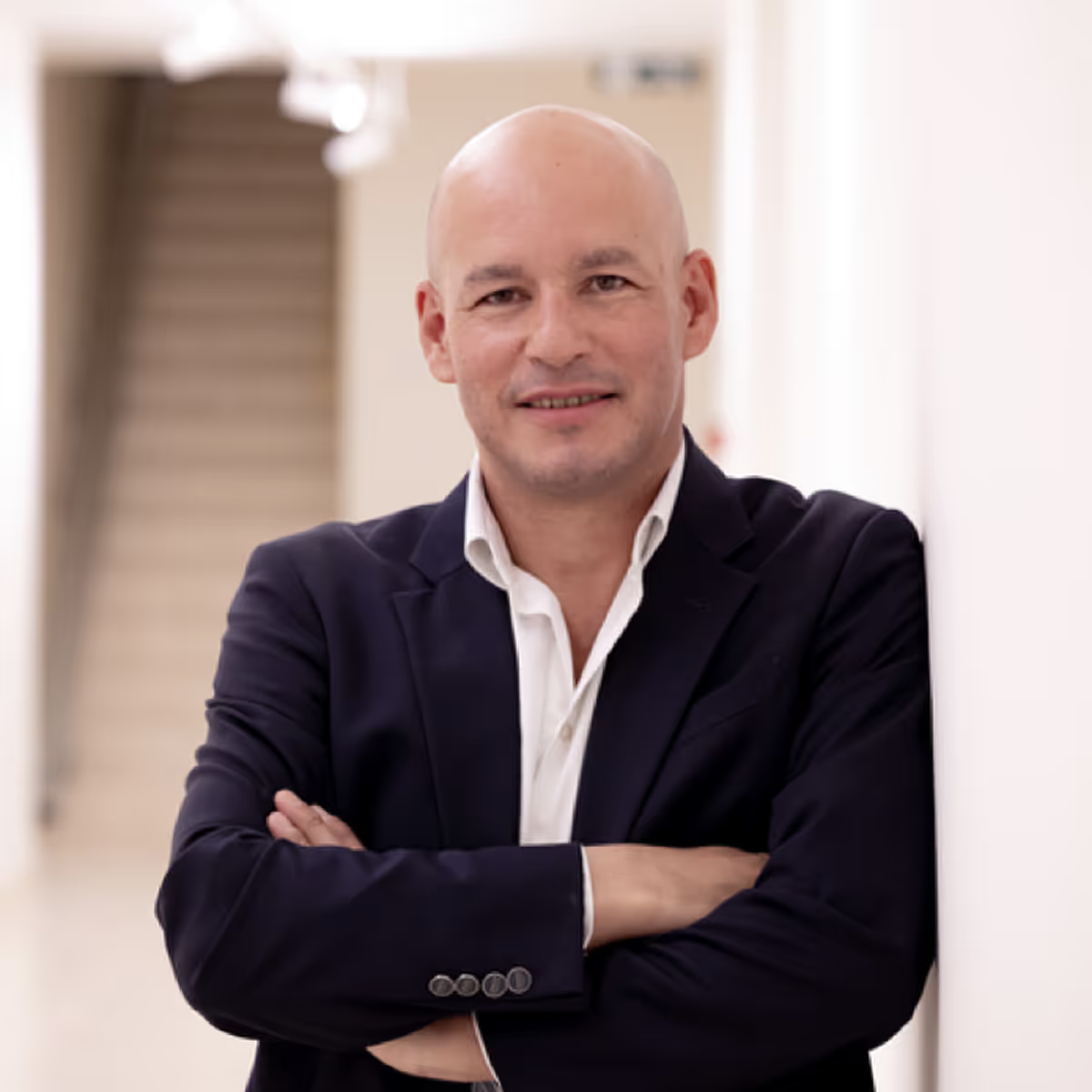
Nuno Jardim Nunes is a Professor of HCI at Técnico – University of Lisbon, President of the Interactive Technologies Institute, and a visiting professor at Carnegie Mellon University. His research explores how AI, sensors, and mixed reality drive sustainability and participatory culture in domains from the Ocean to cultural heritage and urban sustainability. He’s currently captain of the Bauhaus of the Seas one of the six lighthouse projects of the New European Bauhaus. Nuno published more than 250 peer reviewed papers, supervised 24 PhD students and acquired more than 25m€ of competitive funding.
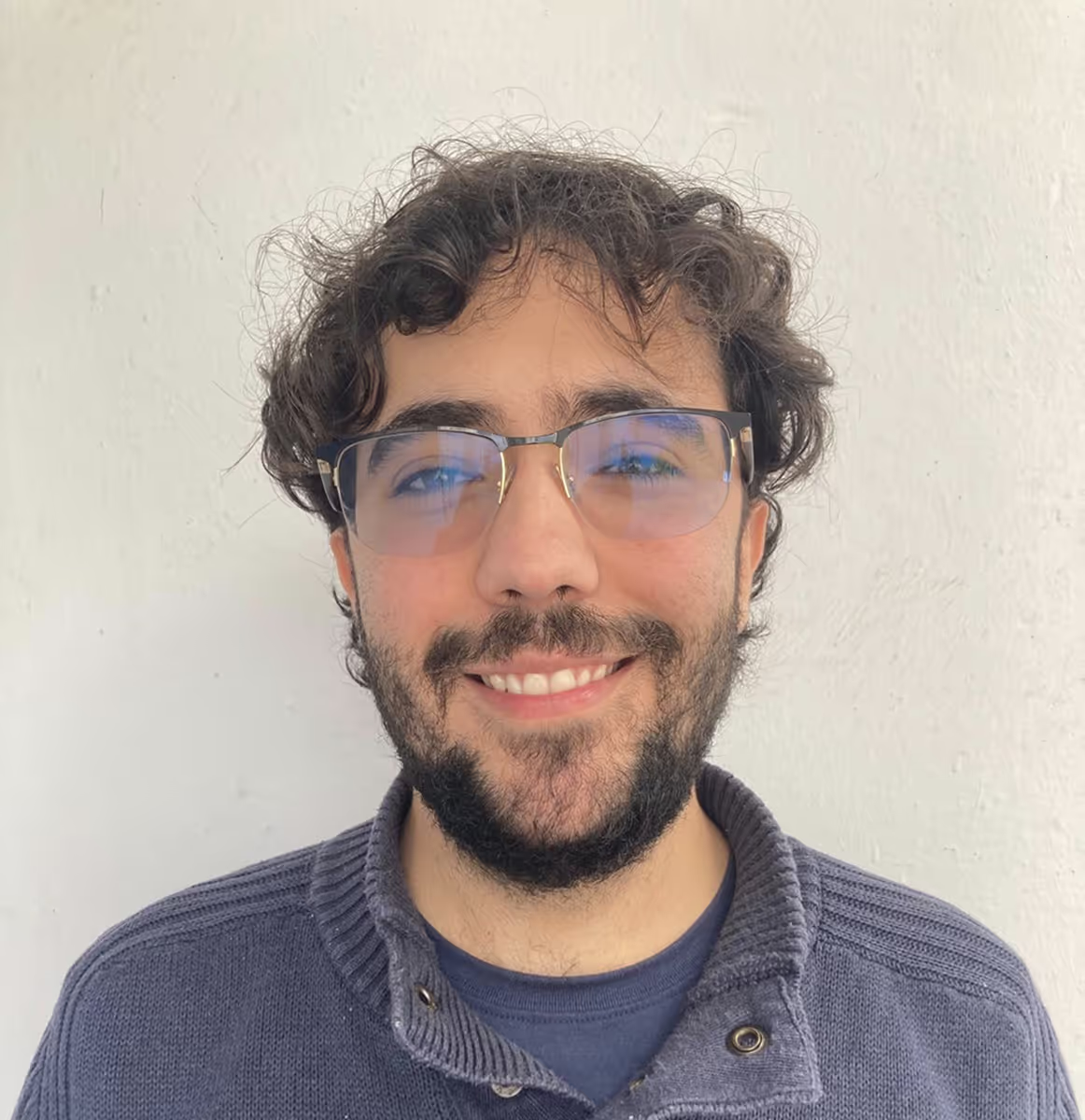
My doctoral studies seek an integrated historical and philosophical approach to ocean sciences in the Mediterranean Sea over the second half of the 20th century, with particular emphasis in groundbreaking international research programs that shaped the fields of physical oceanography and marine ecology within the basin and resonated beyond it. Those programs were built on the idea that the Mediterranean basin could be considered as a 'scaled’ natural model of the world ocean, resembling it it in important physical, ecological and climatic features.
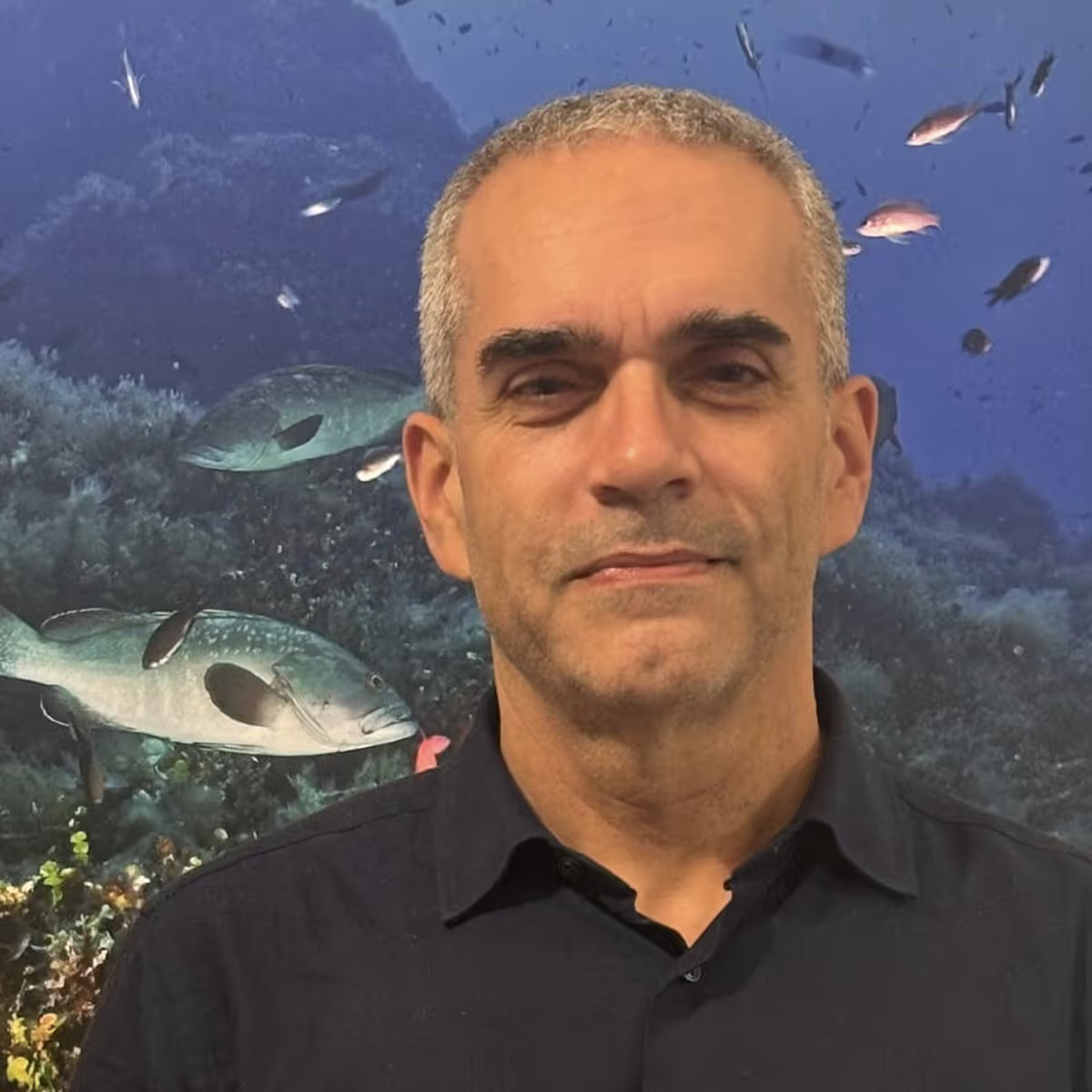
PhD in Fundamental Ecology (University of Lecce-Italy). Trained as an experimental marine ecologist, I have then focused on marine conservation and socio-ecological research: biodiversity, marine protected areas, equity&justice, ethics, more-than-human conservation). PI/WP-leader of >100 projects. Author of >180 ISI papers.
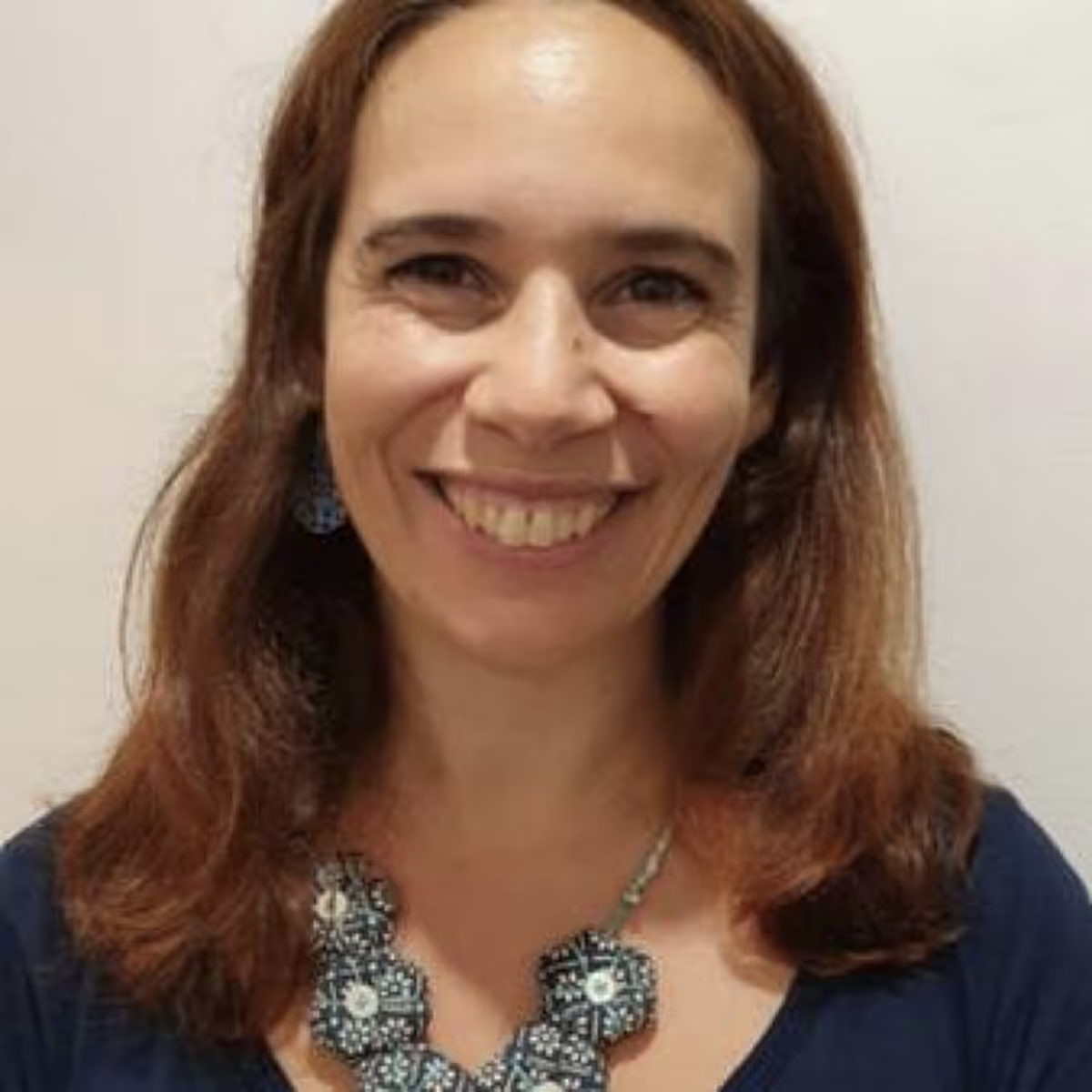
Patrícia Pinto holds a PhD in Molecular Biology and her research includes monitoring environmental micropollutants and assessing their adverse impacts in marine organisms, regulation of fish physiology, microbiota interactions and food quality. She has been very active in scientific events and networks organization and citizen science and science and oceanic literacy projects with regional schools and entities.
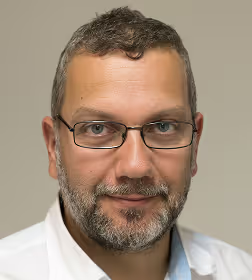
Pedro Miguel Custódio Duarte is an FCT-funded PhD fellow in Science Communication at NOVA FCSH, studying RTP’s media coverage of climate change. With a background in Marine Biology and 20+ years in journalism (radio, TV and LUSA), he has also worked in science communication at CCMAR and co-authored three books in 2025, including a climate adaptation handbook for high schools.
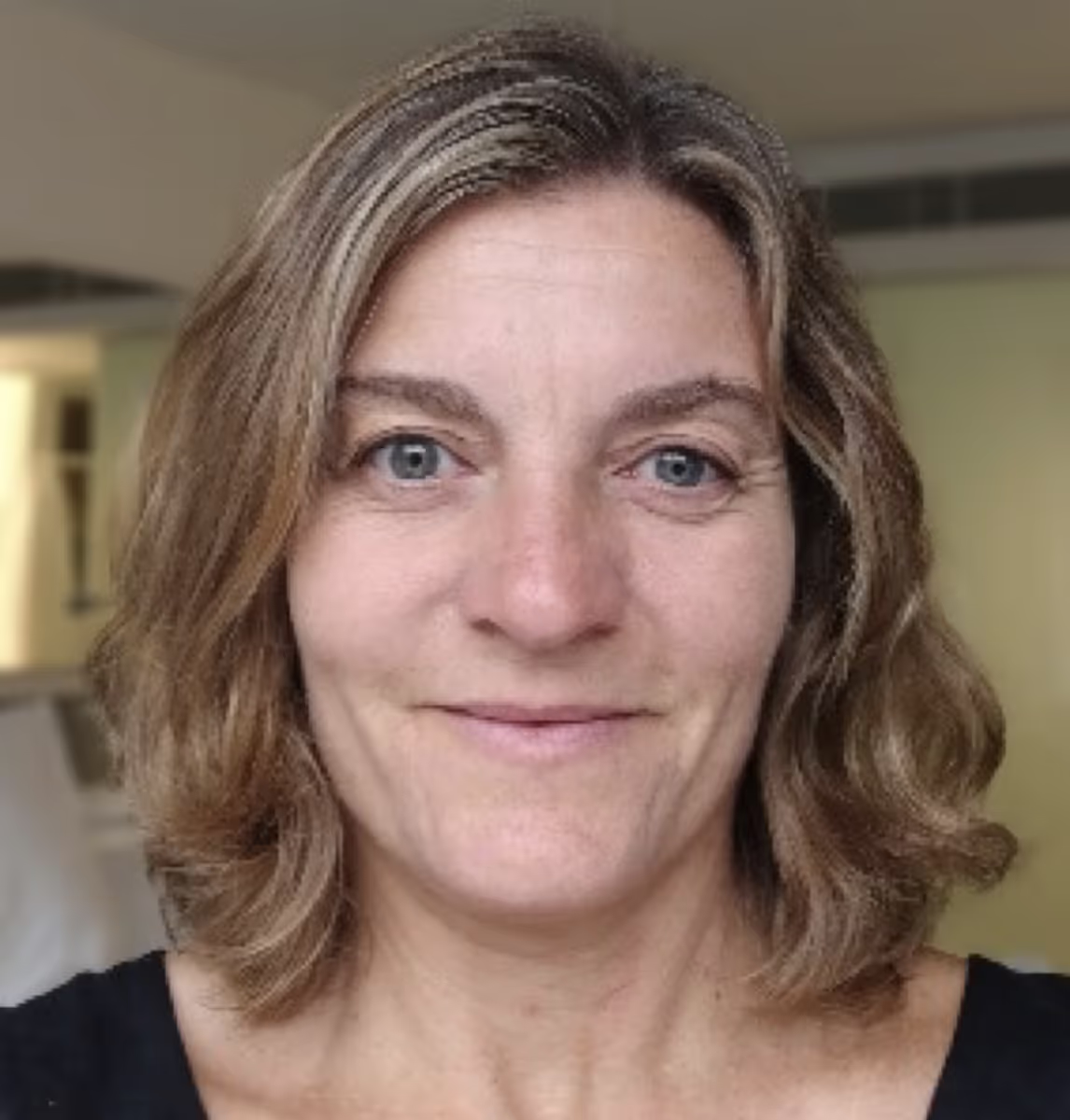
Sílvia Gómez Mestres is associate professor and senior researcher in Social and Cultural Anthropology. Her research focuses on Marine Protected Areas, governance, small-scale fisheries, and seafood systems from the perspective of justice and equity. She is interested on the relationships between humans and the ocean from the perspective of the cultural diversity embedded in marine biodiversity, and the bio-cultural rights from an integrated perspective for the humans and the environment with the aim of providing scalable ethical principles for political decision-making.
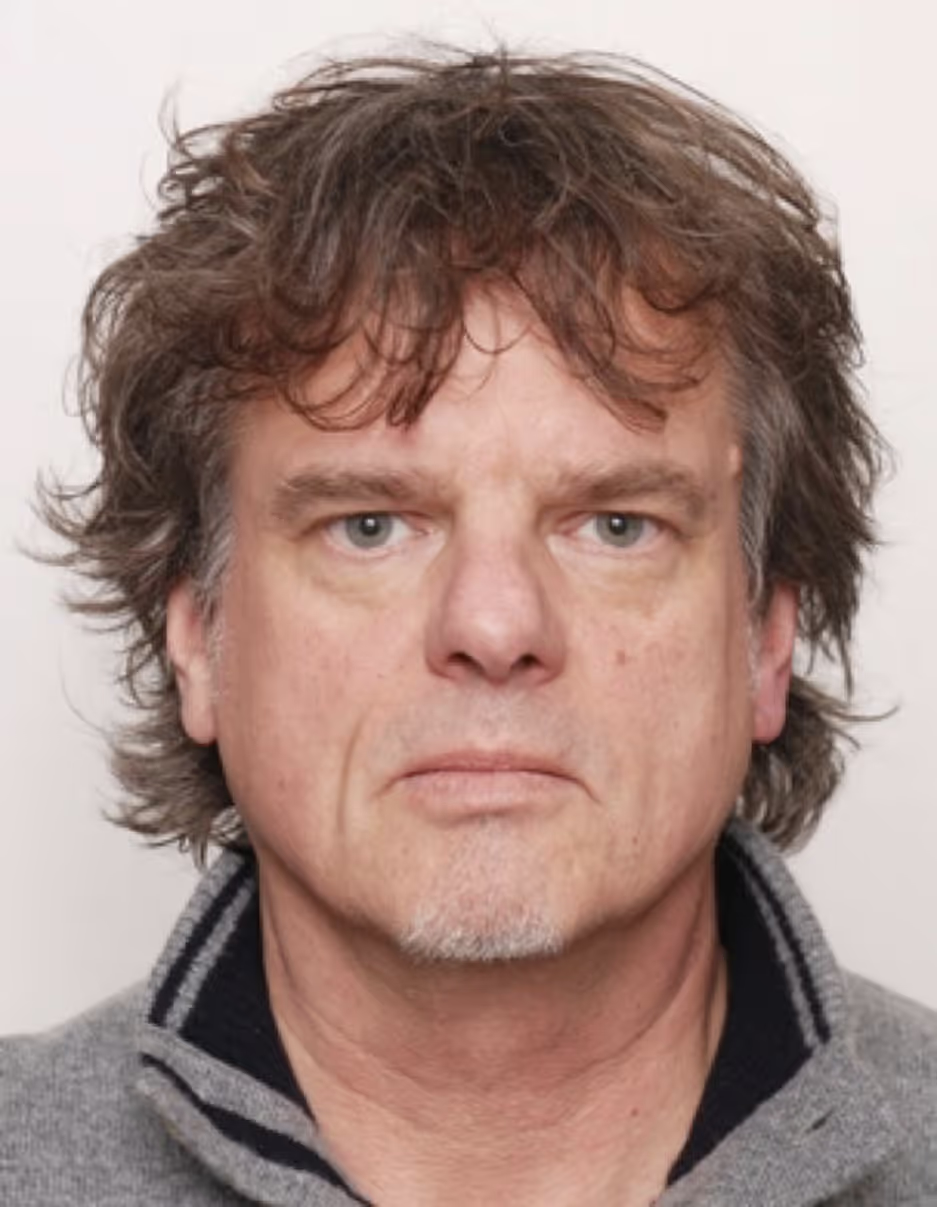
With a PhD in zoology and as a senior lecturer at ULHN, Thomas is working in the field of ecotoxicology on endocrine disruption in marine organisms by pharmaceutical compounds. He is also interested in biological conservation and the relations of human beings with nature.
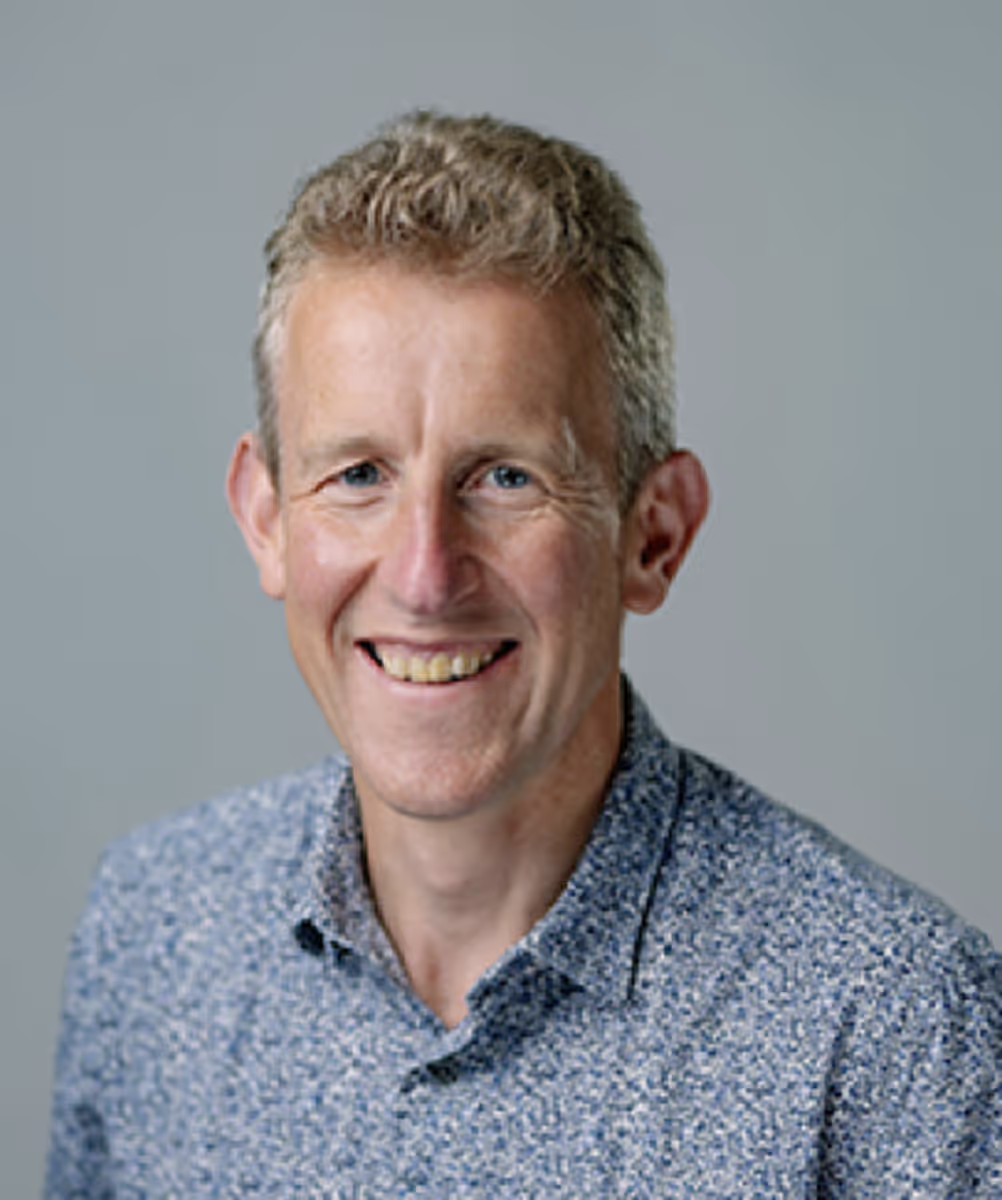
Professor Tim Lenton is Director of the Global Systems Institute at the University of Exeter and Chair in Climate Change and Earth System Science. With 25+ years of research, he is renowned for identifying climate tipping points that shaped the 1.5°C target and net zero goals. He advises policymakers and businesses on climate risks, nature loss, and opportunities for positive tipping points to accelerate change. In 2023, he led 200 experts from 90+ organizations to produce the landmark Global Tipping Points Report with the Bezos Earth Fund, launched at COP28
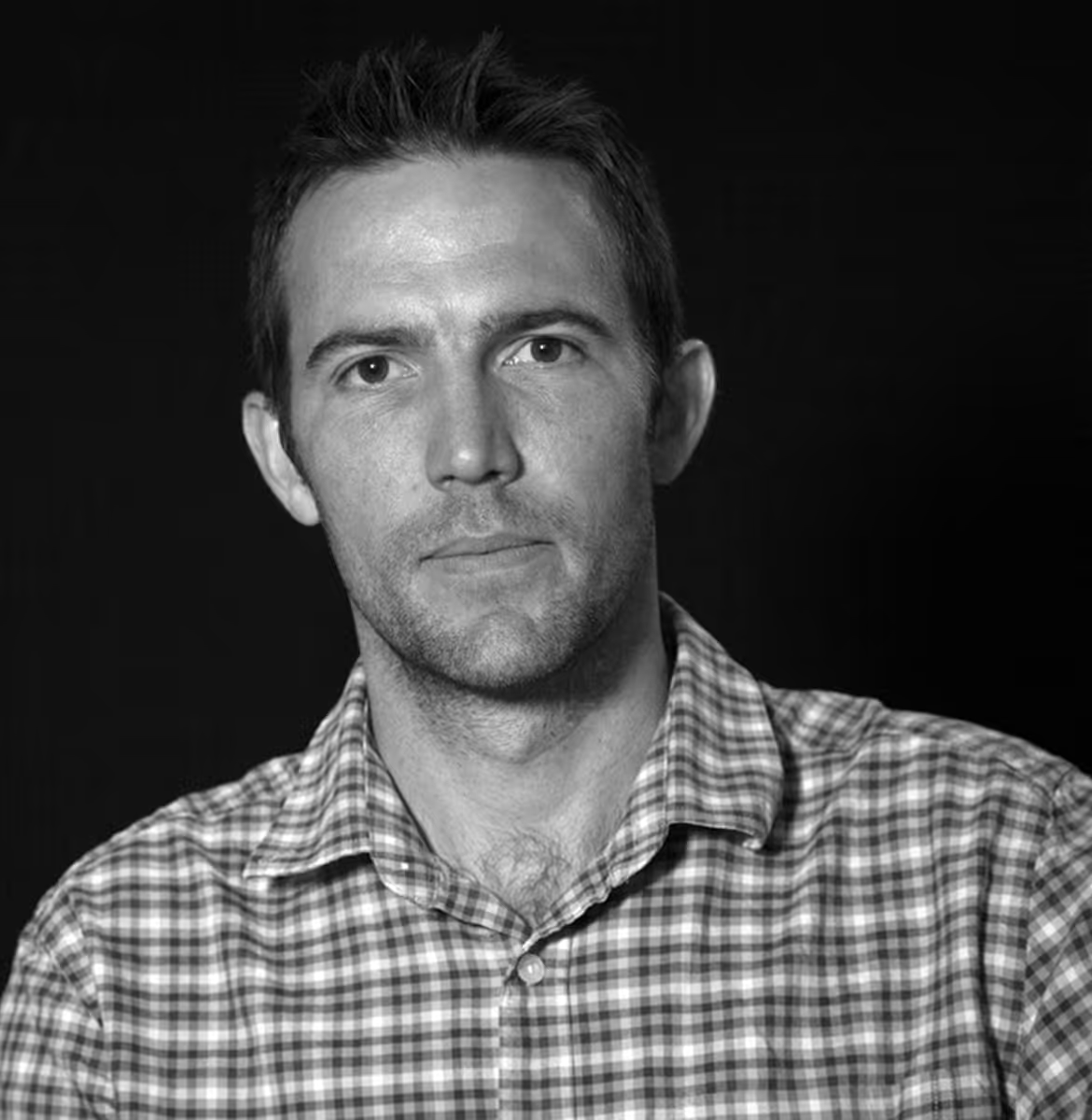
Tom Oliver is the Associate Pro-Vice-Chancellor for Research (Environment) at the University of Reading and a Professor of Applied Ecology. He has closely advised governments on nature-centric governance approaches and is author of two books: The Nature Delusion and The Self Delusion about out interconnectedness with each other and the natural world, and the implications of this for navigating polycrisis.
Attendance at the We-OCEAN workshop is free of charge but requires prior registration, which will be considered a a firm commitment to attend all three workshop days. Acceptance is conditioned to the number of applications, after consideration of the data and statement of interest provided at registration, and will be notified the first week of April. There is no need to register if you wish to join the live streaming of the conferences and debates, a link to the streaming platform will be published in this web several days previous to the workshop.
Registration deadline: 31 March 2026 (early registration is strongly encouraged).